 444 Swan St, Richmond, Melbourne, VIC 3121, Australia
-
-
 Enquires: 1300 219 875
444 Swan St, Richmond, Melbourne, VIC 3121, AustraliaEnquires: 1300 219 875


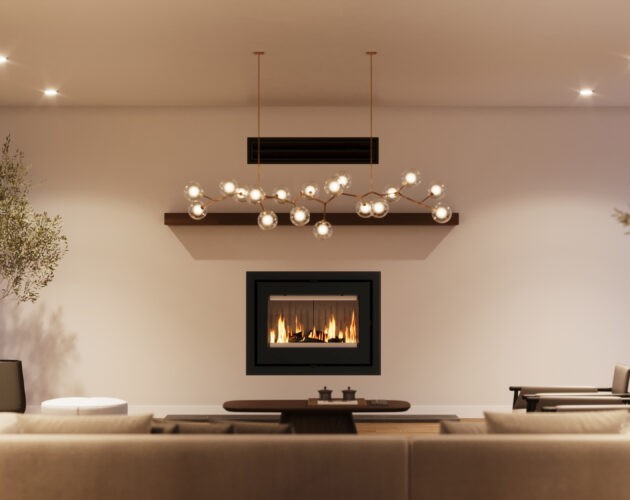
In previous decades, owning a wood fireplace meant sourcing your own timber and lighting it by hand. Thankfully, fireplace technology has come a long way. It’s now possible to own a wood-burning fireplace that conjures the classic image of a cosy winter evening, all without the challenges and safety risks associated with a traditional setup.
Even though newer fireplaces carefully burn logs in an enclosed and controlled setting, proper safety and maintenance measures remain as important as ever. With this in mind, we’re going to provide some insights into living with a wood heater. From safety to servicing to the latest VisionLINE technology, we’ll cover it all.
A key difference with a slow combustion fireplace is that the supply of oxygen can be controlled rather than allowing the fire to burn as quickly as it would in an open fireplace.
A slow combustion heater is designed to control the way wood burns so it can produce useful heat over an extended period. The process is designed to offer an extended burn time that allows you to get the most out of each individual log.
The 3 elements required for fire are Fuel, Heat and Oxygen. When a fire is started within a slow combustion heater, the heat rises in the flue system and creates a vacuum within the firebox. This vacuum then creates positive pressure or a ‘draw’ which pulls oxygen in to replace itself and create the balance of air to keep the fire running.
With the right materials, components, and systems in place, wood-burning fireplaces are safe to operate. However, you should also follow the user manual and adopt the right practices.
One concern associated with some wood-burning models is ‘Vermiculite’. Typically, a lot of European style fireplaces sold in Australia use a material called Vermiculite, which is a thermally efficient and lightweight compressed ceramic material. The problem with this material, however, is that when used in fireplaces, it is both fragile and prone to breaking, particularly if the user is not careful when placing wood into the fire to re-fuel.
This is the exact reason why kiln bricks are used inside VisionLINE units. Being clay based, they are extremely dense, heavy, and compatible with Australian hardwood.
It doesn’t matter if you already own a wood-burning fireplace or plan on getting one installed in the near future, here are some essential tips to maximise safety.
From freestanding to inserts, a fireplace can only be installed by a professional and is not a DIY job. Having qualified professionals handle the installation process will ensure that all components are set up correctly, as well as fully compliant with Australian safety standards and building codes.
As an owner of a wood-burning fireplace, certain things are nonnegotiable. Following the correct processes set out in the owners manual is one of these. Only with cleaning and maintenance measures, this includes following the guidelines for the type of fuel and hardwood used.
The type of wood you burn directly impacts both safety and performance. Always choose seasoned Australian hardwoods that have been dried for at least six months, as this ensures clean and efficient burning. Never burn treated lumber, painted wood, or household waste, as these could all release harmful chemicals into your home.
Whether it’s indoor or outdoor, proper ventilation is absolutely essential to operating a fireplace.
This is why you should always check that your chimney or flue is free from obstructions like bird nests or debris before use. In addition to general safety, maintaining adequate airflow helps prevent smoke from backing up into your home and ensures complete combustion of the wood.
Emergency preparedness is essential for any home with a wood-burning fireplace. Install smoke detectors and carbon monoxide alarms on every level of your home, particularly near sleeping areas, and test them monthly. It’s also important to keep a properly rated fire extinguisher within easy reach of the fireplace, and verify that every family member knows its location.
A wood-burning fireplace is a great thing to own, but it’s equally important to make sure that it is regularly cleaned, inspected and serviced.
Here’s a quick guide:
Effortless Style and Class
A feature-rich slow combustion unit, the VisionLINE Taurus unit encompasses style and class with efficient, radiating heat.
Here is a helpful product walkthrough of our double-sided Taurus model:
Notable features:

Built to Complement any Home
Taking its design principles from its larger counterpart the Taurus, the Phoenix is the perfect complement for any contemporary home.
The Phoenix features:
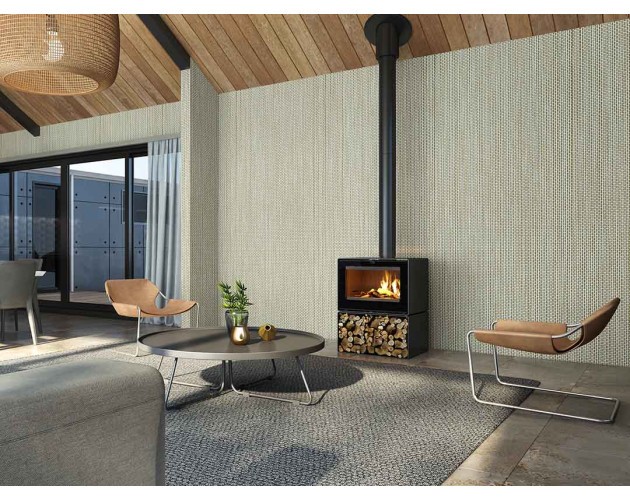
With the right maintenance and safety measures, owning a modern wood fireplace comes with an incredible range of benefits.
VisionLINE Fireplace & Flue Systems blend cutting-edge technology with durable, intuitive, and stylish designs fit for Australian homes and commercial spaces. Our products are also backed by a 5-year guarantee for Kiln Brick Liners and a 15-year Firebox warranty.
Explore the VisionLINE collection today or contact us directly to speak with an expert!
VisionLINE Fireplace and Flue Systems Team are the product of more than 40 years of Australian industry experience with wood fireplaces, electric fireplaces, and flue pipe systems.
VisionLINE designs and manufactures its own products for the Australian and New Zealand market, and is the Australian distributor for the Jotul Group of Norway and for Forge and Flame, whose brands include Jotul, Vermont Castings, Quadra-Fire and Harman. Jotul has a fascinating history dating back to 1853. Vermont Castings has operated since 1975, and Quadra-Fire since 1985.
VisionLINE insulated flue systems are tested to both EN/CE and Australian and New Zealand standards, covering clearance safety, tensile strength, wind tunnel, water ingress and closed chase construction.
Yes. A wood-burning heater needs an appropriate flue system to carry combustion gases safely outside the home. The flue should also be inspected regularly and kept clear of obstructions such as bird nests, leaves and other debris.
What is the difference between a chimney and a flue?
The chimney is the vertical stack extending from the top of the roofline, which allows smoke or gas to exit from the home. The flue is the passage that smoke or gas moves through to get to the outside. These can be ducts, vents or pipes.
A properly installed and maintained wood heater can be safely used indoors, provided it is operated according to the manufacturer’s instructions. Good ventilation, a clear flue, suitable firewood and working smoke and carbon monoxide alarms are all important parts of safe operation.
Can you install a fireplace by yourself?
As you might imagine, this is a task best left to the experts. It is a very technical process and there are many things that can go wrong along the way. Some fireplace installations are very simple compared to others, but nonetheless, you need to know what you’re doing. If you are going to install it yourself, you’ll need to be very clear on the potential hazards of your chimney, and how to avoid them. Most states in Australia require a licensed installer to install slow combustion fireplaces. Visionline recommends installers who have completed the Australian Home Heating Association (AHHA) course.
Enquires:1300 219 875


